Ledger Login – Your Secure Crypto Gateway
Learn how to safely access and manage your Ledger wallet while keeping your digital assets protected.
Many beginners searching for “Ledger login” expect a traditional username-and-password system. Ledger works differently. The login process relies on your hardware wallet, Ledger Live, and a secure PIN. Your private keys never leave the device, ensuring maximum protection from hacks and phishing.
Ledger login provides self-custody, meaning only you have access to your crypto. Understanding this process is crucial for safely managing Bitcoin, Ethereum, NFTs, and other digital assets. In this guide, we’ll explain every step—from opening Ledger Live to troubleshooting issues and implementing advanced security.
By the end, you’ll understand how Ledger login functions, why it’s different from web-based logins, and how to use it to securely interact with the crypto ecosystem.
Understanding Ledger Login
Ledger does not use a conventional login page. Instead:
- Your hardware wallet acts as the authentication key.
- Your PIN unlocks the device.
- Ledger Live provides the interface to manage your accounts.
- Recovery phrases ensure account recovery without centralized databases.
This device-centered approach protects against phishing, malware, and centralized system breaches.
Step-by-Step Ledger Login Process
Step 1 – Open Ledger Live
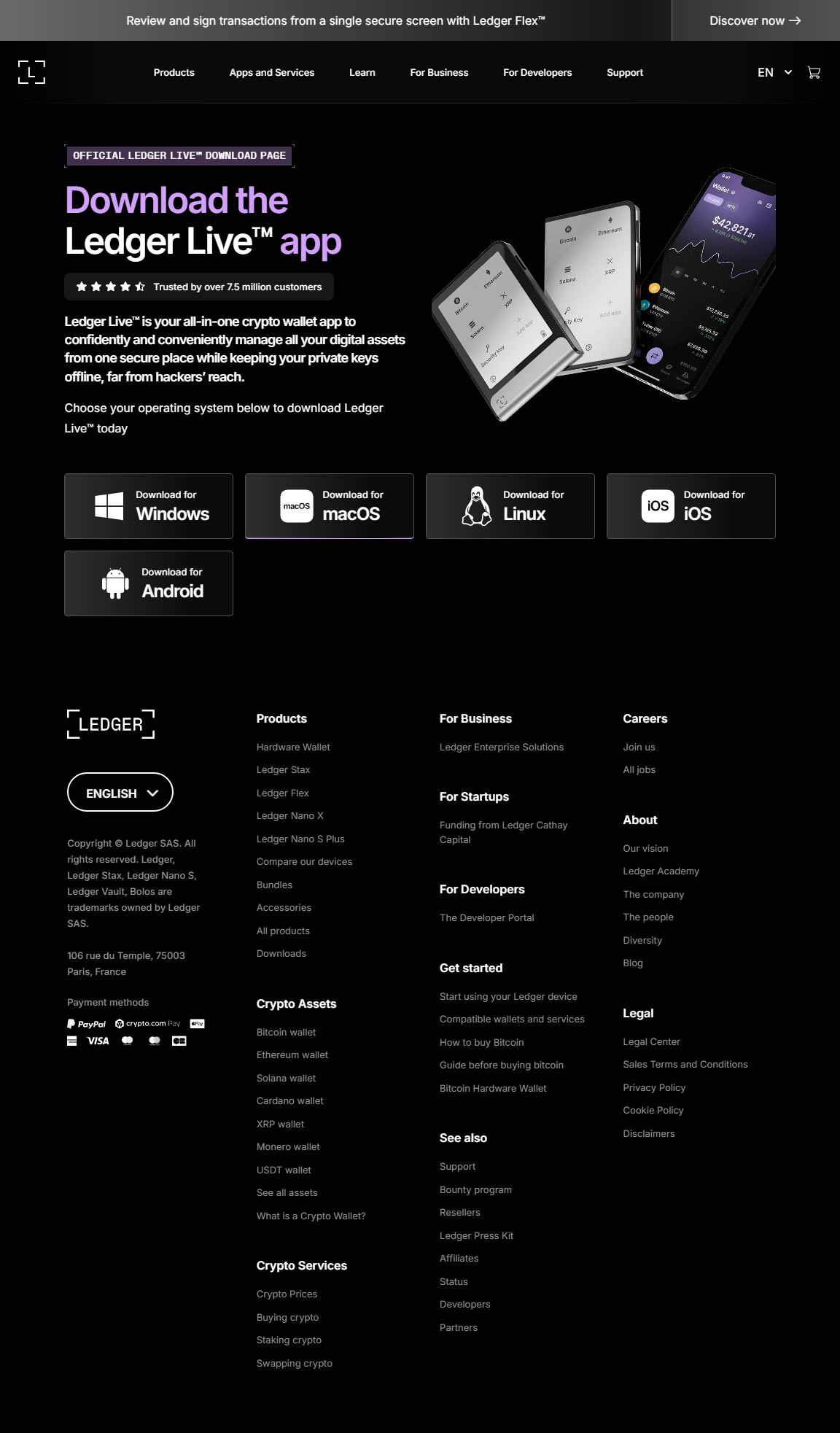
Ledger Live is your dashboard for portfolio management, staking, and firmware updates. The login begins here.
Step 2 – Connect Your Ledger Device
Connect your Nano S Plus via USB or pair the Nano X via Bluetooth. This is the first authentication layer.
Step 3 – Enter Your PIN
Your PIN unlocks the secure element chip inside the device. Without it, no one can access your wallet.
Step 4 – Verify Device Authenticity
Ledger Live automatically confirms the device is genuine and untampered.
Step 5 – Access Your Accounts
Once authenticated, your accounts sync in Ledger Live, allowing secure management of crypto, NFTs, and staking.
Why Ledger Device Login Is Safer Than Web Login
Unlike traditional platforms, Ledger avoids centralized logins:
- No password databases for hackers to steal.
- No phishing pages to trick users.
- No reliance on third-party custodians.
- Offline private keys prevent remote attacks.
This model ensures your assets remain entirely under your control.
Common Ledger Login Mistakes
- Visiting fake “Ledger login” websites.
- Sharing recovery phrases online or storing them digitally.
- Downloading Ledger Live from unofficial sources.
- Ignoring firmware update notifications.
- Accessing Ledger on public or unsecured networks.
Troubleshooting Ledger Login
Device Not Detected? Try a different USB cable, port, or restart Ledger Live.
Forgot PIN? Reset the device and restore using your 24-word recovery phrase.
Ledger Live Stuck Loading? Update the application to the latest version.
Bluetooth Pairing Issues (Nano X)? Check mobile Bluetooth permissions and restart pairing.
Ledger Device Comparison – Login Experience
| Feature | Nano S Plus | Nano X |
| Connection | USB Only | USB + Bluetooth |
| Mobile Access | Limited | Full |
| Ideal For | Desktop Users | Mobile & Desktop |
Tips for a Secure Ledger Login
- Always download Ledger Live from the official Ledger website.
- Confirm all transaction addresses on the device screen.
- Use a strong, unique PIN for device access.
- Store your recovery phrase offline, ideally on metal backups.
- Keep firmware updated to avoid security vulnerabilities.
Conclusion – Mastering Ledger Login
Ledger login is not a typical web login—it’s a combination of your hardware wallet, PIN, and Ledger Live interface. This method prioritizes security, decentralization, and user control. By mastering these steps, you ensure that your crypto assets, NFTs, and digital portfolios remain safe, giving you confidence as you navigate the crypto world.
Start every session with Ledger login best practices, and your journey into self-custody crypto will be both secure and seamless.
Start every session with Ledger login best practices, and your journey into self-custody crypto will be both secure and seamless.